Namibia Herald : Latest News and In-depth Analysis
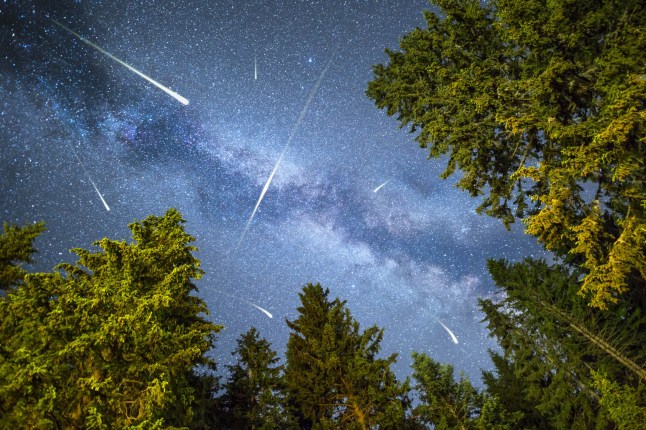
The Perseid meteor shower will coincide with the 2026 solar eclipse. (Credits: Shutterstock / Belish)
One of the world’s most beautiful meteor showers is expected to reach its peak tonight,coinciding with the solar eclipse – but will you be able to see it?
The Perseid (Per-see-id) meteor shower is one of the strongest each year,with dozens of colourful shooting stars whizzing past every hour.
The shower returned to UK skies last month,and it’s expected to be at its most dazzling tonight.
But with the solar eclipse also taking place today,you may be wondering whether you’ll actually be able to see it.
Short answer: you can. Here’s how and when.
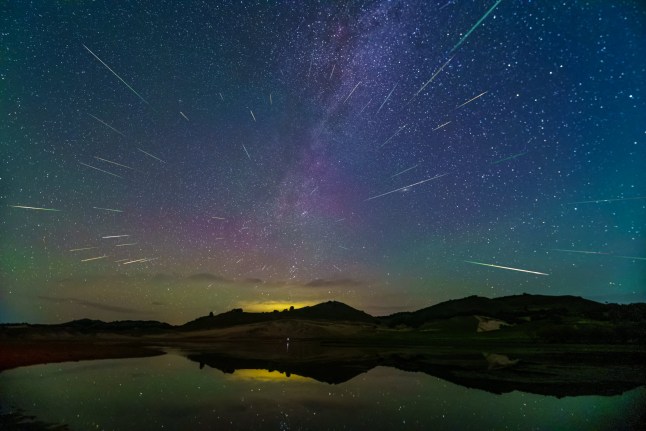
The Perseid meteor shower will be visible across the entire UK. (Photo: Getty Images)
The Perseid meteor shower peaks tonight,between August 12 and 13. According to the Royal Museums Greenwich,the best time to watch the shower will be between midnight and 5am tomorrow,hours after stargazers get to witness the partial solar eclipse.
The meteor shower will continue after its peak tonight,through to August 24. However,between now and then,the number of meteors will decrease each night until it ends,making it harder to see.
Thankfully,should you miss the meteor shower,the stunning event will return next year around the same time.
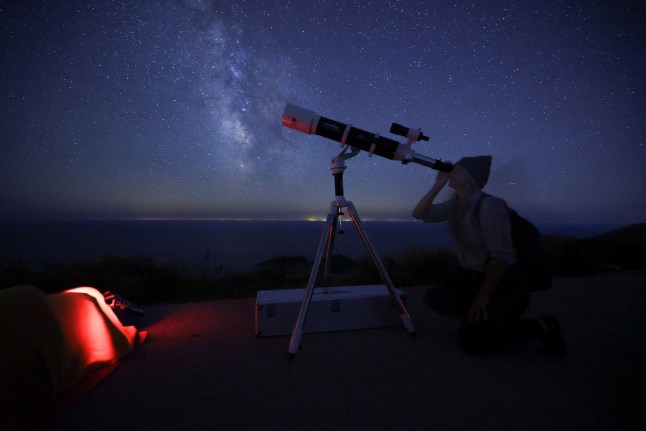
You won’t need a telescope to view the Perseid meteor shower. (Credit: Reuters)
Unlike many other meteor showers,you don’t actually need a telescope or binoculars to view the Perseids – although they can help,depending on your location.
The shower will be visible everywhere in the UK,but if you want to see it,you’ll need to find a dark location with little light pollution and a clear view of the horizon.
You’ll also need to give your eyes around 15 minutes to adjust to the dark before you can see the meteors.
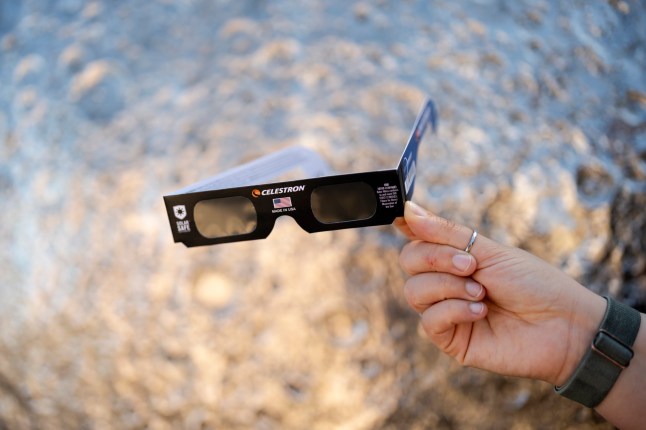 Stargazers across the UK have shared disappointment as stock of solar eclipse glasses runs dry. (Credits: Jordan Pettitt/PA Wire)Metro spoke with two stargazing experts about the best places to see the eclipse in the UK,and the Met Office has also shared a list of the best places to catch a glimpse of the event.As excitement ramps up,however,warnings have been issued to eclipse-gazers about the danger of using your phone to watch the solar eclipse as shops run out of eclipse glasses across the UK.Follow Metro’s solar eclipse live blog to stay updated on all things spaceFrom the UK’s point of view,the meteor shower will come from the direction of Perseus – a constellation in the north-eastern sky – so try to look that way to catch the shower.There are a number of stargazing apps that can help you find the constellation’s location in the sky.But the number of meteors you’ll be able to see will greatly depend on your location and the weather. While it’s set to be clear in the south of England tonight and cloudy further north,you’ll still want to check your local forecast before heading out!
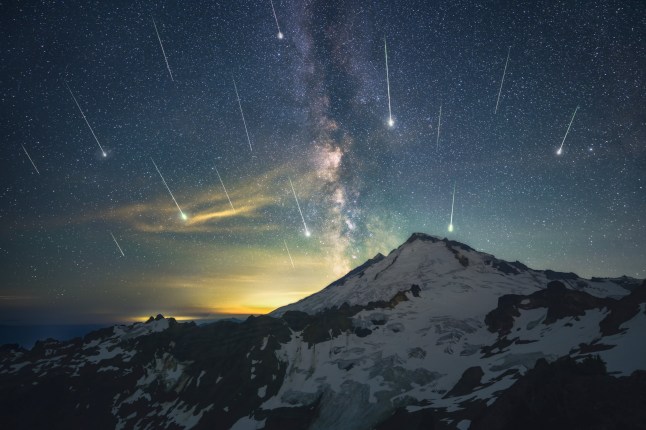 Fireballs will streak across the sky during the meteor shower’s peak tonight (Credits: Getty Images)Many small meteors vaporise,leaving behind a trail of light,while larger meteors explode as fireballs. This process can last for days and even weeks,with the peak occurring when our planet passes through the densest part of this cosmic debris.Perseid’s bright fireballs come from the muck left behind by the Comet Swift-Tuttle,which was discovered in 1862 by both Lewis Swift and Horace Tuttle.Officially known as 109P/Swift-Tuttle,the comet takes 133 years to orbit the Sun. It reached the closest point to the sun,called perihelion,in 1992 and is expected to reach it once again in 2125.If you do miss the solar eclipse and the Perseid meteor shower,don’t worry! The UK will be treated to yet another spectacular full moon at the end of the month!Get in touch with our news team by emailing us at .For more stories like this,check our news page.
Aug 13, 2026
Aug 12, 2026
Aug 11, 2026
Jul 30, 2026
