Namibia Herald : Latest News and In-depth Analysis
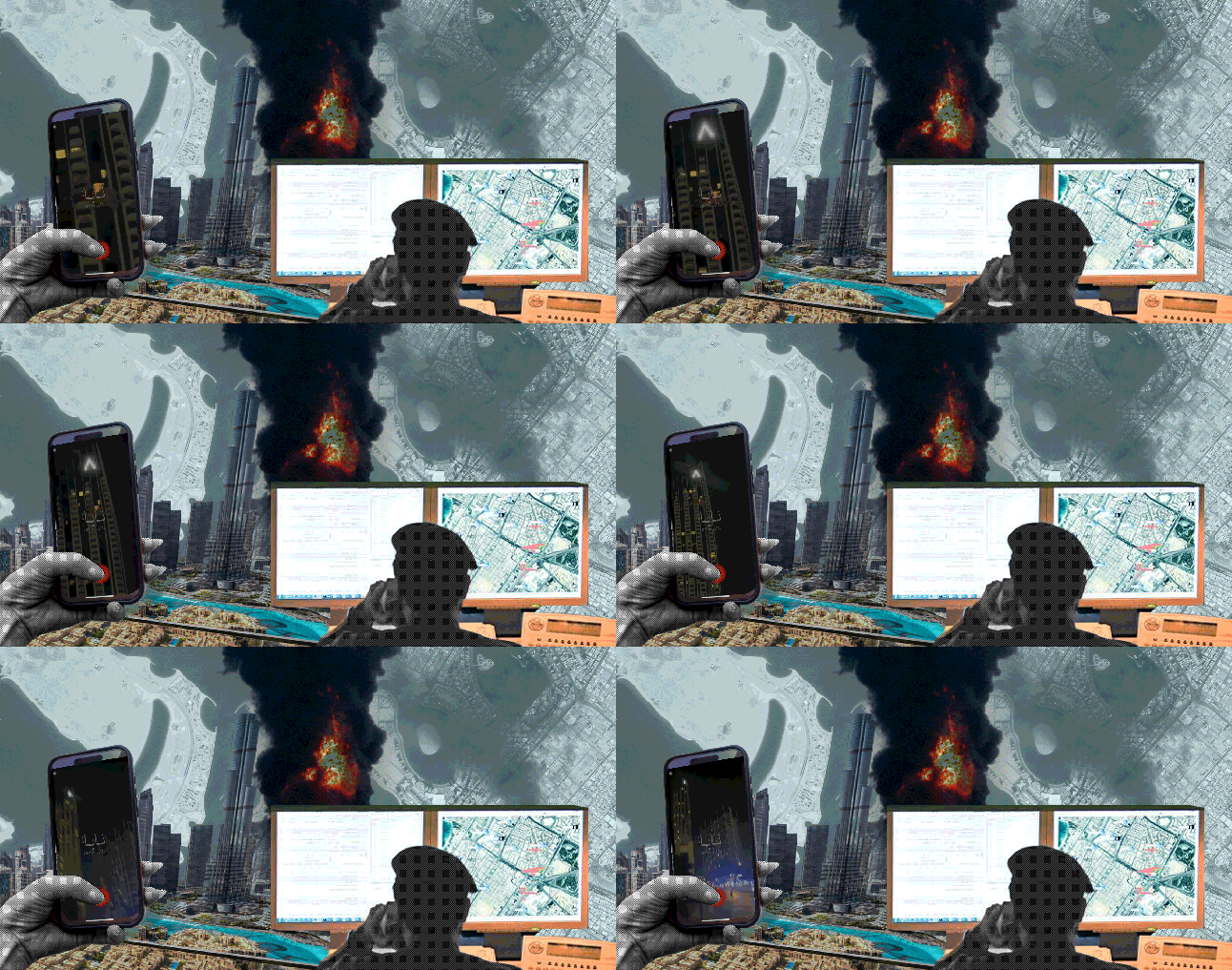
Two foreign nationals shared their stories of being tracked down by officials after filming air strikes
Hundreds of people have been arrested across the Gulf for filming Iranian attacks on tourist hotspots.
As many as 70 UK nationals have been locked up in the UAE for filming these drone and missile strikes.
Officials fear these videos and pictures breach cybercrime laws designed to protect the idyllic reputations of these countries.
Metro has heard the stories of two foreign nationals who were allegedly tracked down and arrested for innocently recording explosions in different Gulf countries.
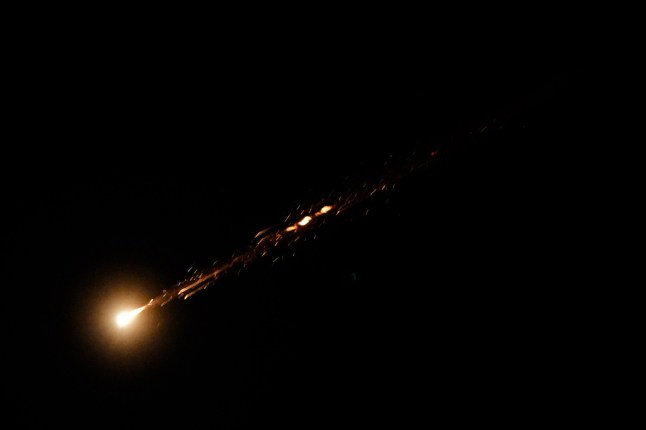
People have been arrested for filming missile strikes in the sky (Picture: Issam Rimawi/Anadolu via Getty Images)
Euro-Med Human Rights Monitor has shared the testimonies of these individuals,who aren’t British and were detained and interrogated for hours after filming Iranian air strikes.
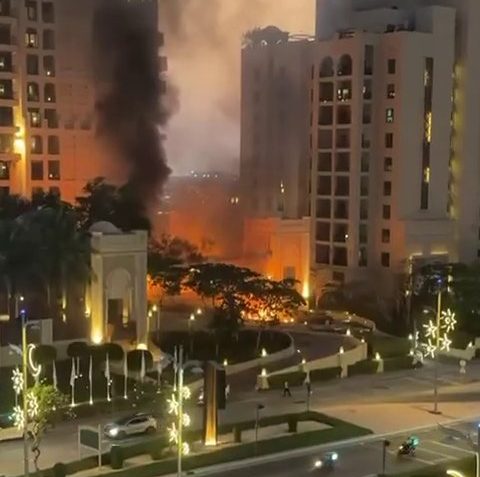 Iranian missiles hit tourist hotspots across the Gulf (Picture: Chris Eubank Jr/Facebook)‘Three individuals in plain clothes stepped out and identified themselves as security agents.‘They immediately asked me to unlock my phone and present my identification.’Officials then searched his phone and confiscated it when they discovered the video of the missile attackThe foreign national said he was then taken into detention for hours in what he claimed were overcrowded cells with individuals of various nationalities.Describing the ‘interrogation’ that followed,he said: ‘The questioning focused on my motives for filming sensitive locations,spreading rumors,and assisting the enemy in identifying targets.‘I tried to explain that I had only filmed the open sky and that my intent was never hostile—evidenced by the fact that I had not published the video on any public platform.”He claimed he was threatened with a long jail sentence and heavy fines during the interview. After 48 hours in custody,he was released.
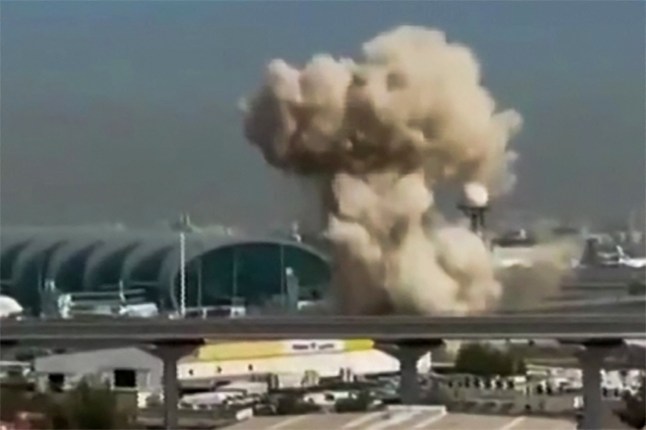 Air strikes have hit numerous Gulf states (Picture: various sources / AFP via Getty Images)However,he claimed that he was forced to sign a document that admitted to violating the law,as well as ‘a pledge not to disclose what had happened to any media or human rights entity’.Officials also allegedly warned him he risked being deported and banned from re-entering the Gulf state if he broke this agreement.Arrests for alleged breaches of cybercrime laws have taken place throughout the Middle East.Since the start of the Iran war,local and national authorities in the UAE say they have made 189 arrests in connection with alleged violations of the country’s cybercrime laws.Multiple numbers out of Qatar have confirmed that more than 313 foreign nationals were detained there for similar videos and pictures.Americans for Democracy & Human Rights in Bahrain – a leading human rights group – told Metro they have noted at least 10 foreign nationals arrested in Bahrain in cases linked to the US-Israeli war on Iran.Jawad Fairooz,Director of SALAM for Democracy and Human Rights,said they were aware of 204 Bahraini citizens arrested for different reasons since the war began.Another foreign national shared their story of being arrested for filming missile strikes in a different Gulf state through Euro-Med Human Rights Monitor.He was in a residential apartment in a large city in mid-March when air raid sirens blared,and loud explosions shook windows.
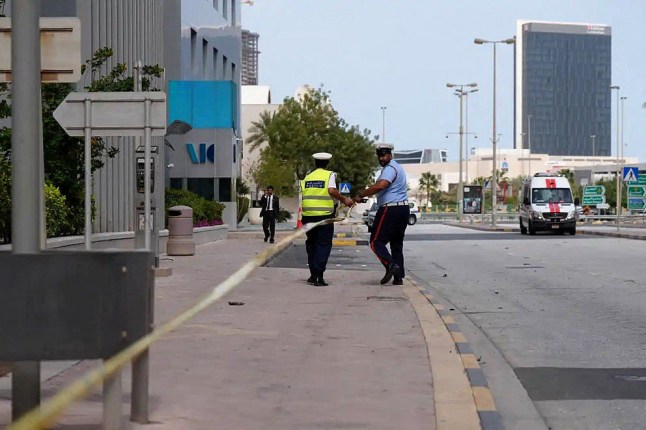 Authorities across the Middle East have cracked down on cybercrime laws (Picture: Fadhel MADAN / AFP via Getty Images)After stepping onto the balcony,he said he ‘involuntarily recorded a 20-second video on my phone,showing only the sky illuminated by explosions’.He added: ‘I sent the video to my family via WhatsApp because they were very worried about me,especially given the tense security situation since the outbreak of the war.’Around 12 hours later,at midday the following day,there was a knock at his apartment.He claimed: ‘I found four individuals in security uniforms.‘When I asked about the reason for their presence,they immediately questioned me about the video I had recorded.‘They confiscated my personal phone and laptop,placed me in a vehicle belonging to a security agency,and transferred me to a nearby security facility.’He alleges he was blindfolded and left in a long corridor for hours before being taken into an interrogation room.During the police interview,he claimed the investigator ‘accused me of filming sensitive military locations during a state of emergency and sending coordinates to the enemy’.The man said that he tried to defend himself from the accusations and stressed he would never do anything to threaten the country’s security.The foreign national alleged he was then kept in solitary confinement for six days and denied contact with his country’s embassy.He was then released but allegedly forced to sign documents promising not to speak about what had happened to me.
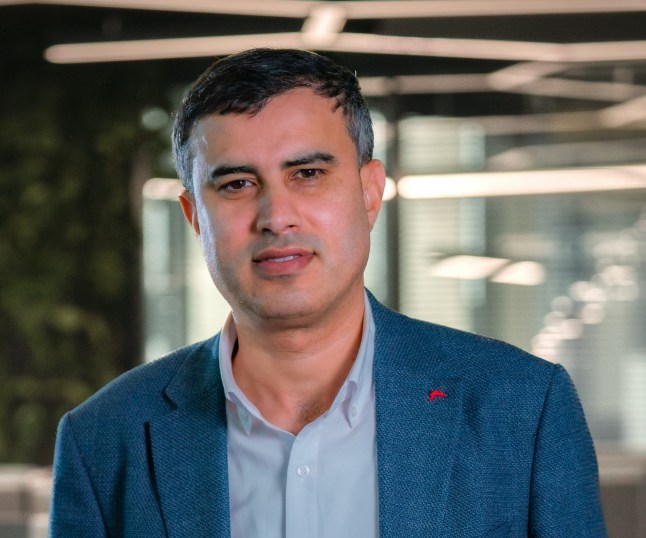 Ramy Abdu,Chairman of Euro-Med Human Rights Monitor,said states were imposing censorship on residents (Picture: Manchester Metropolitan University)Dr Ramy Abdu,said states were using ‘vaguely worded laws’ to ‘impose strict censorship’ on their populations.He added: ‘We recognize the right of states to safeguard their national security; however,invoking security imperatives does not grant authorities a blank check to carry out mass arrests devoid of due process.‘Criminalizing spontaneous documentation does not indicate a genuine security threat posed by individuals,but rather exposes a pattern of systematic information suppression employed by these governments.’As many as 70 UK nationals who have been locked up in the UAE for filming Iranian attacks on the Gulf country.British tourists,expats and cabin crew have been held in overcrowded police cells and could face ten years in jail for breaching laws around protecting ‘national security and stability’.Campaign groups say the legal system is swamped with cases and some are being denied sleep,food and medicine in detention.Get in touch with our news team by emailing us at .
Sep 17, 2026
Sep 16, 2026
Sep 4, 2026
Aug 31, 2026
